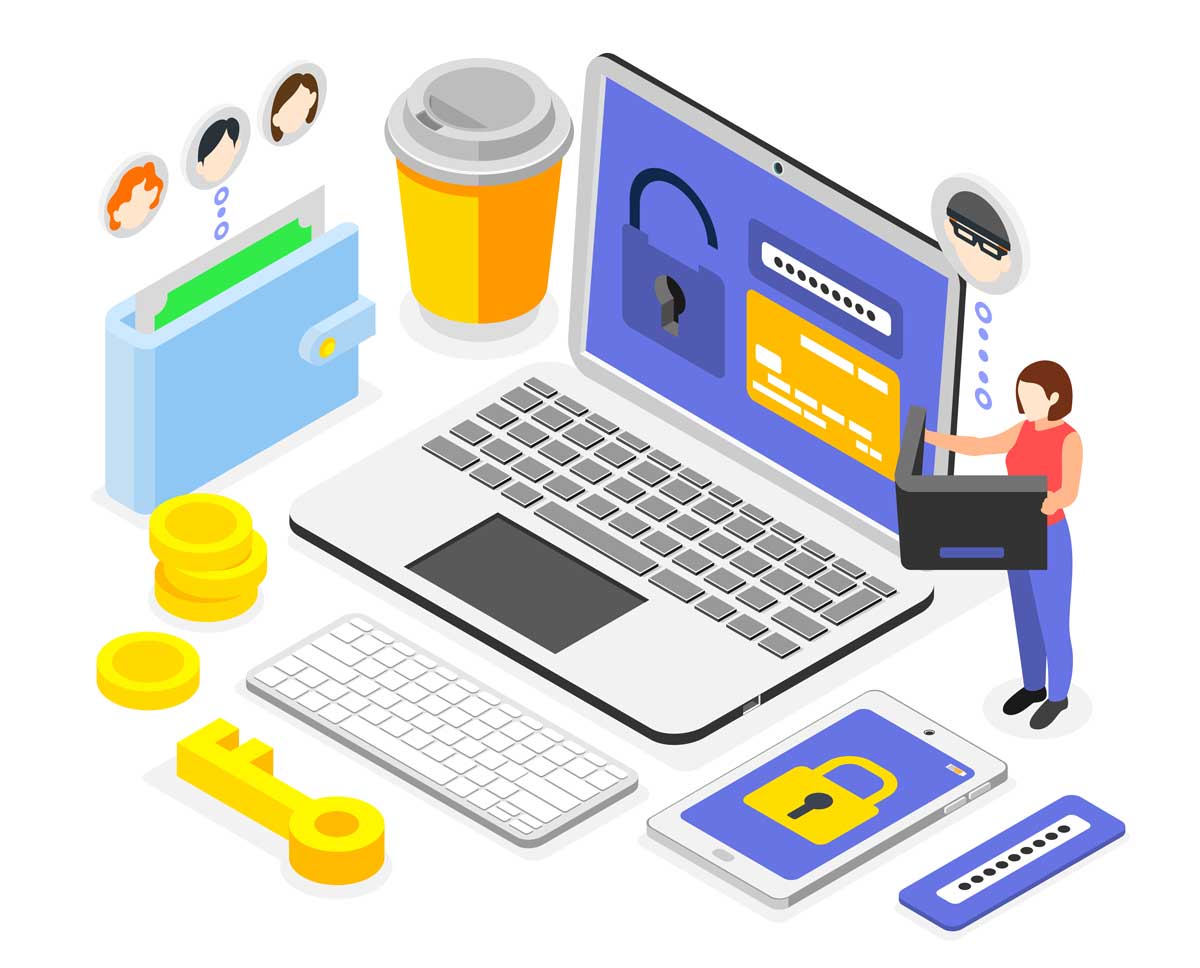
Effective system user management is crucial for maintaining security, operational efficiency, and compliance. A foundational best practice involves implementing a robust identity and access management (IAM) system. This includes establishing clear policies for user onboarding and offboarding, ensuring that access privileges are granted on a least-privilege basis, meaning users only have the permissions necessary to perform their job functions. Regular audits of user accounts and their associated permissions are essential to identify and rectify any discrepancies or excessive access. Furthermore, employing strong authentication methods, such as multi-factor authentication (MFA), significantly enhances security by adding an extra layer of verification beyond just a password.
Another critical aspect of system user management is maintaining comprehensive documentation and training. This involves creating detailed records of all user accounts, their roles, and the permissions assigned. Regular training for both administrators and end-users on security best practices, password management, and the appropriate use of system resources helps to mitigate risks associated with human error. Implementing a clear process for password resets, account lockouts, and the timely deactivation of accounts for departing employees are also vital components. By adhering to these practices, organizations can significantly reduce their vulnerability to security breaches and ensure a more controlled and auditable user environment.